
D 37 (Jan 4) At Sea
D38-41 Four Days in Marquesas Islands
Lying about 1,370 km northeast of Tahiti and about 4,800 km southwest of Mexico, Marquesas Islands (Marquesas) is one of the world’s most remote place. It is thought to have been formed by a centre of upwelling magma called the Marquesas hot spot. The Marquesas are among the largest island groups in French Polynesia with a combined area of 1,049 sq km and the highest point at Mount Oave on Ua Pou island at 1,230m. Marquesas falls into two geographical divisions. The northern group consists of Eiao, Hatutu, Motu One, and the islands surrounding the large island of Nuka Hiva. The southern group consists of Fatu Hiva, Tahuata, Hiva Oa etc. All the islands of the Marquesas are of volcanic origin except Motu One.
The islands settled in the 10th century CE by voyagers from West Polynesia, have maintained a remarkably uniform culture, biology and language. The Marquesas were named after the 16th century Spanish Viceroy of Peru, the Marques de Canete by navigator Alvaro de Mendana who arrived in 1595. In 1842, France took possession of the whole group and established a settlement. Today, the islands with over 10,000 inhabitants, constitute one of the five administrative divisions of French Polynesia with Taiohae on Nuka Hiva as the capital.
Two Days in Nuka Hiva
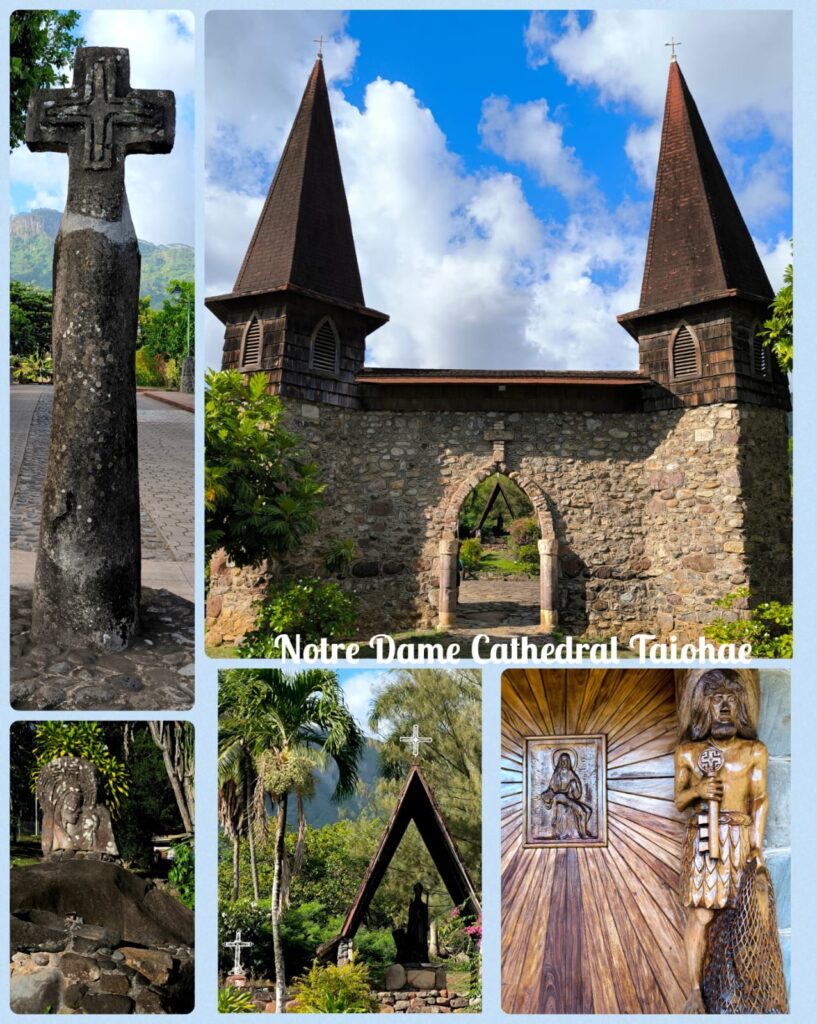
Nuka Hiva with an area of 339 sq km and a population of over 3000, is the second largest island in French Polynesia after Tahiti. The island has been immortalised by literature and TV series. Herman Melville, an American writer, wrote his book Typee (1846) based on his experience in the Taipivai valley. Jules Verne, in his science fiction novel Paris in the Twentieth Century (1863) describes the island as one of the main stock exchanges of the world of 1960. The first landfall of Robert Louis Stevenson on his voyage to the region was at Hatihe’u in July 1888. The novel “Thunder from the Sea” (1973) by Willowdean Chatterson Handy is set on the island in the late 18th and 19th centuries, detailing traditional ways of life and the effects of contact between the islanders and the foreigners including the American, British and French who came to the island. It was the filming location for Survivor: Marquesas of the American reality competition series airing in the US in 2002.
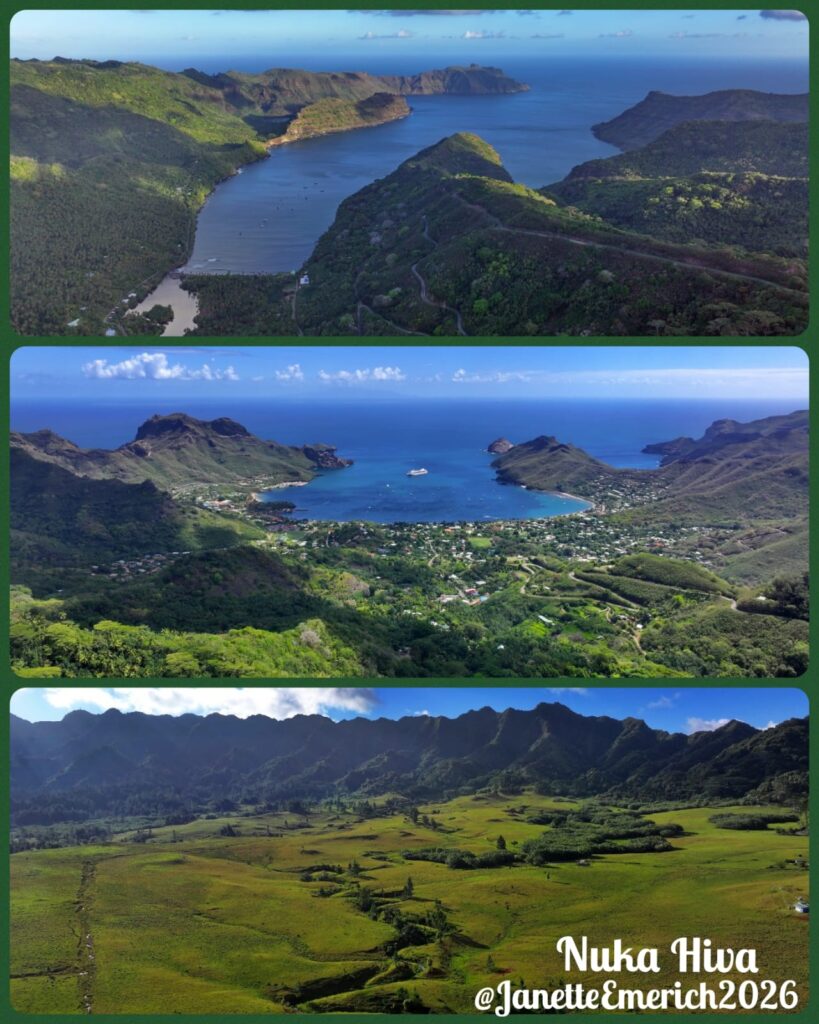
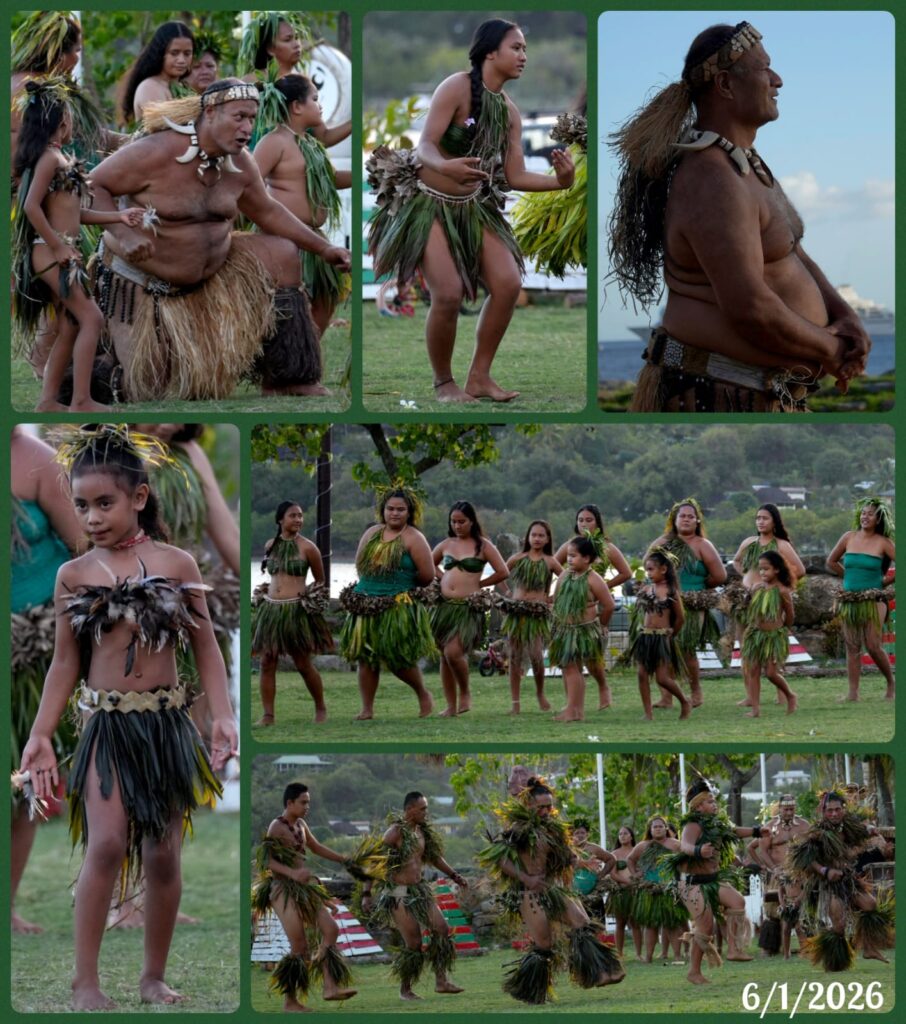
Jan 5 Odyssey dropped anchor off the Bay of Taiohae around noon. I was on the first tender off the ship with no firm plan. Many taxi drivers and tour operators were awaiting us at the pier. After some bargaining, Harlee booked a lady taxi driver Tarae to take us to visit Taipivai and Hatiheu for five hours (70 USD pp) on Jan 6. I spent the afternoon wandering aimlessly and visited the Notre Dame Cathedral which has intricate wooden sculptures inside. At 5:30pm, we watched a dance and music performance for an hour.
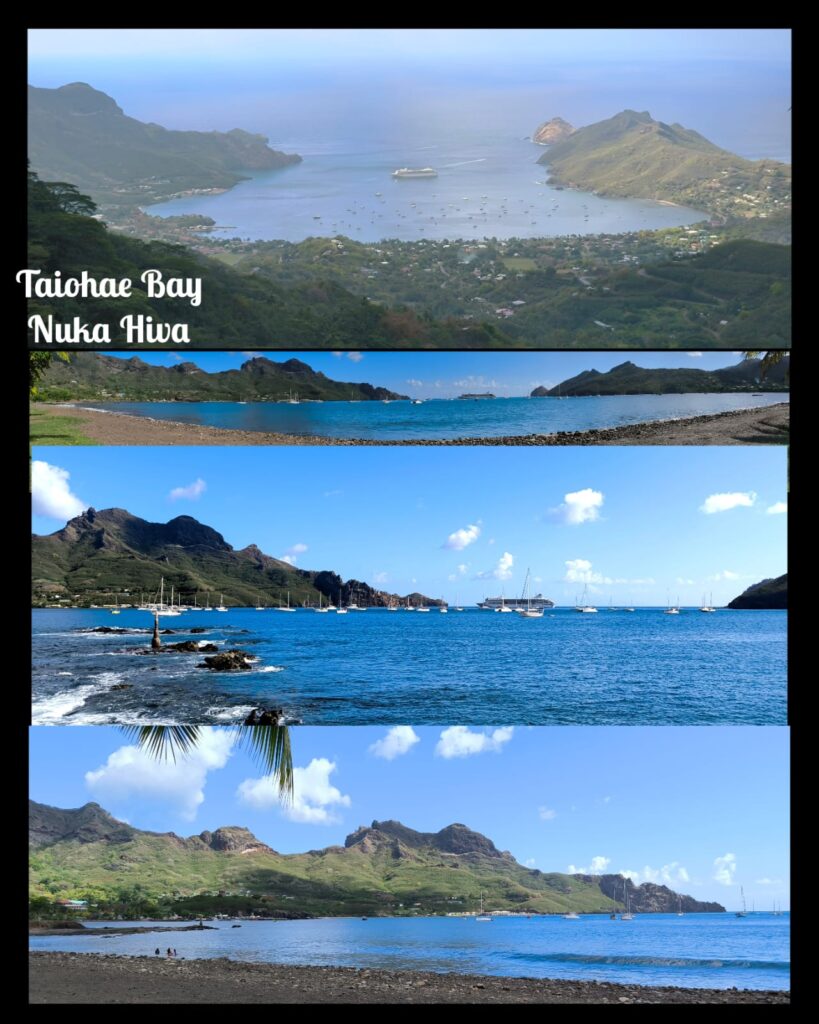
Jan 6 I got on the tender at 8 am and set off with seven other passengers at 8:30 am. We had a wonderful excursion with dozen of stops. The first one was a lookout point with beautiful panoramic view of the Bay of Taiohae. We saw cows, goats and many horses along the well-maintained road. The mountain ranges are spectacular: once we drove over the ridge, we had fantastic view of the Comptroller Bay. Then we descended into Taipivai which is a key location and home to archaeological sites like Paeke and Pae Pae Piki Vehine (traditional meeting platform) which often hosts festival events.The Marquesas Arts Festival (Matavae) designed to revive and preserve traditional Marquesas culture, was held here in 2011. Here I read about how Herman Melville (1819-1891) was captured and his short stay in this valley in 1842. Many local beautiful Marquesas carvings were on display.
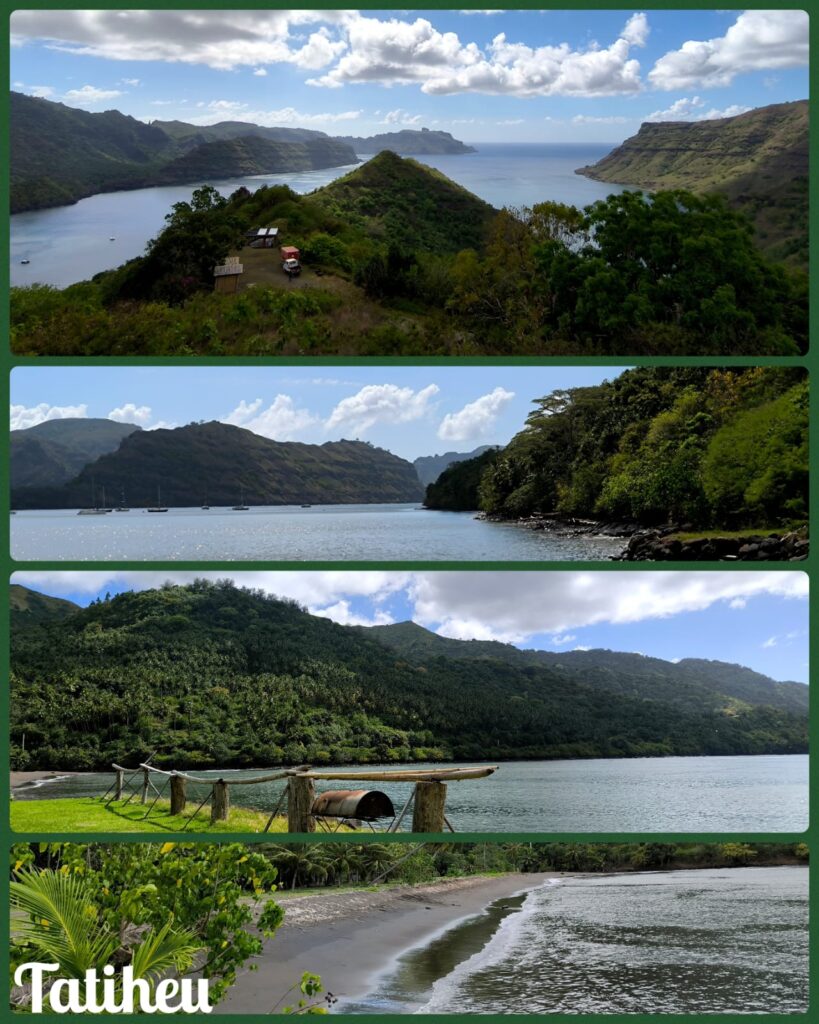
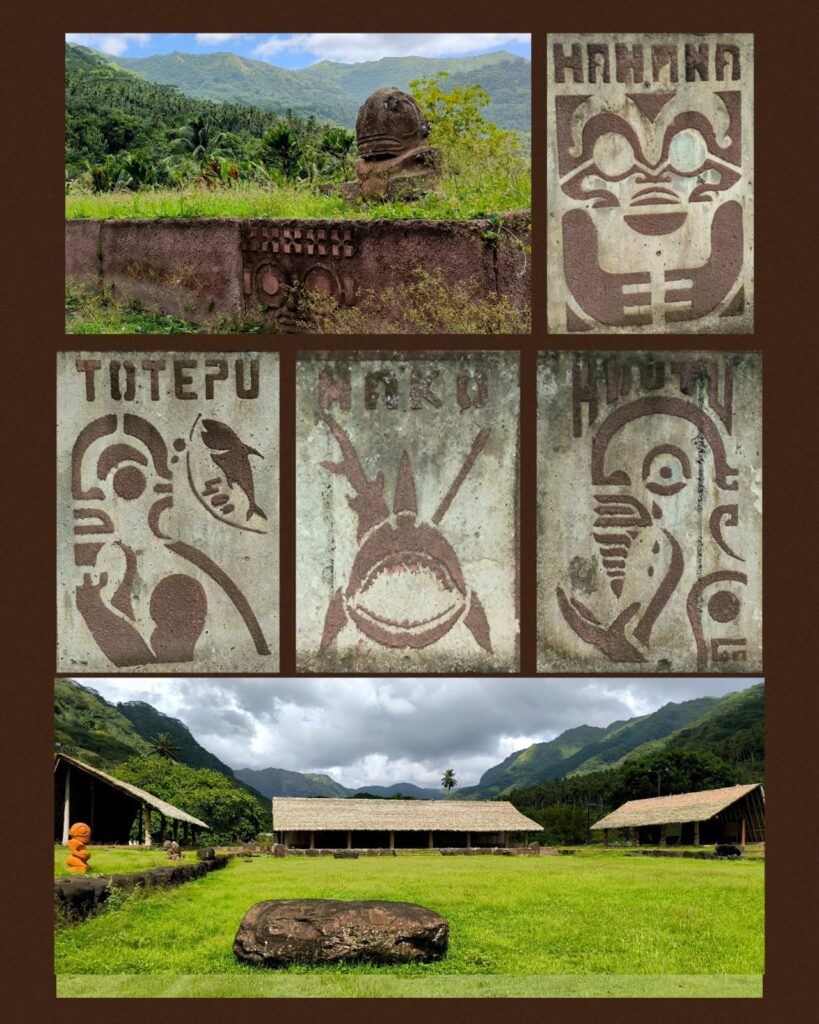
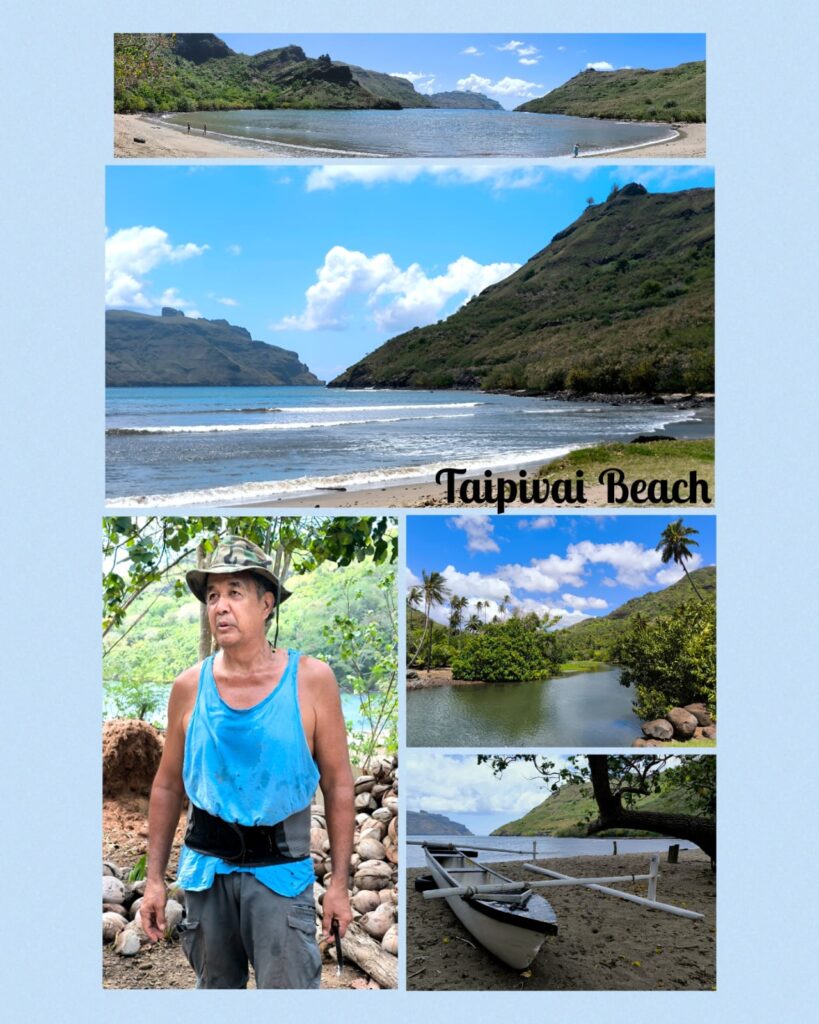
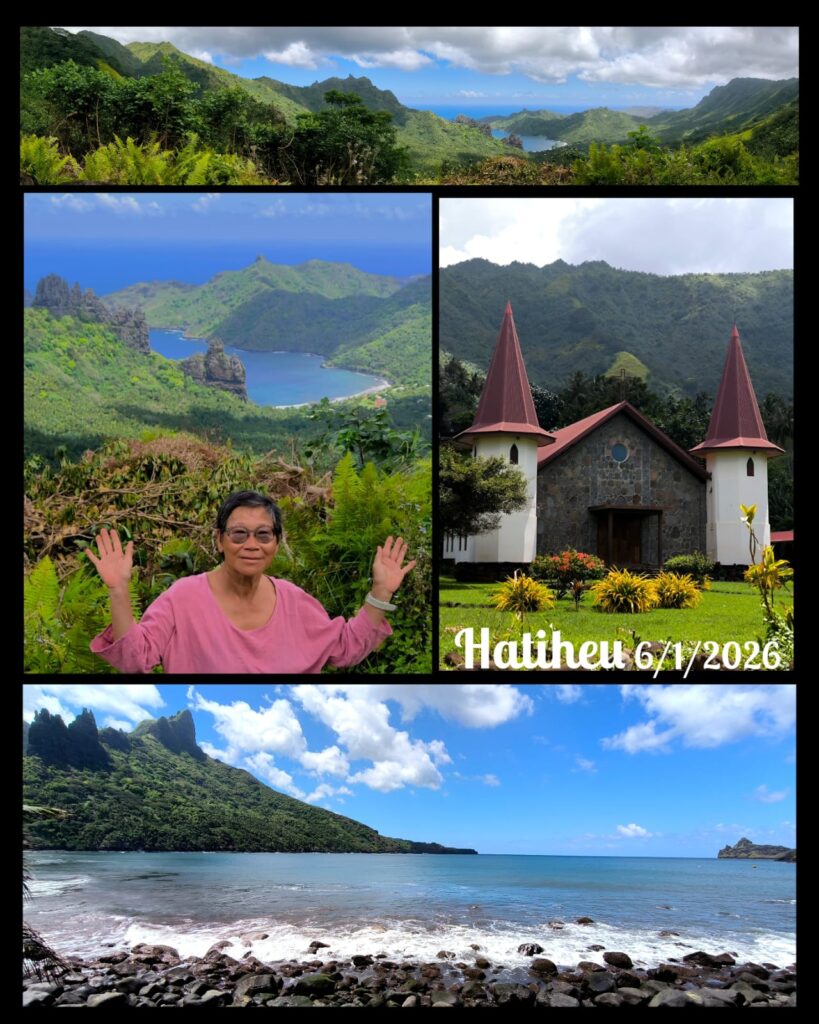
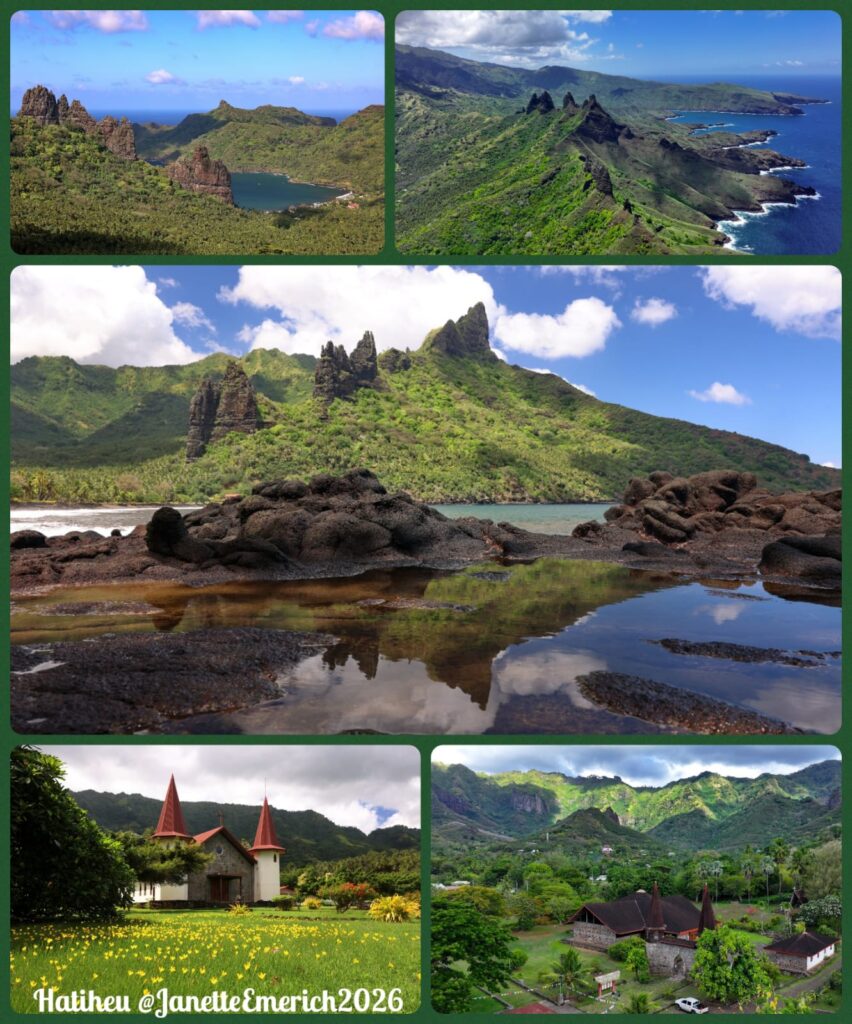
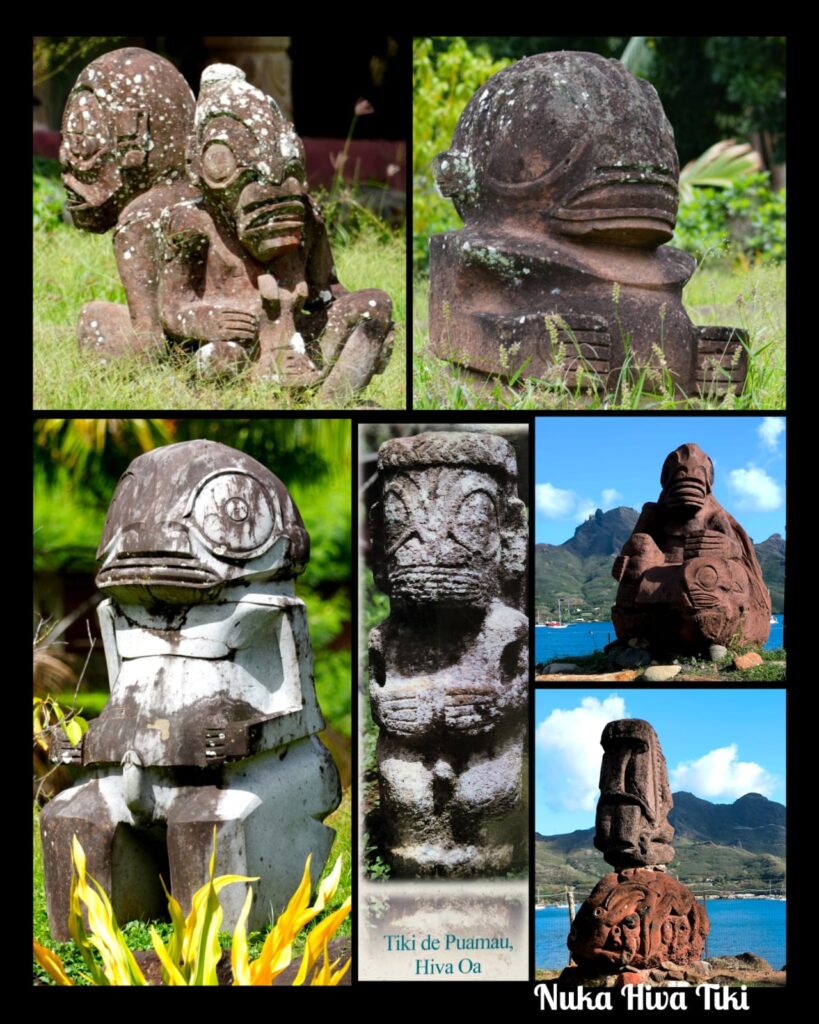
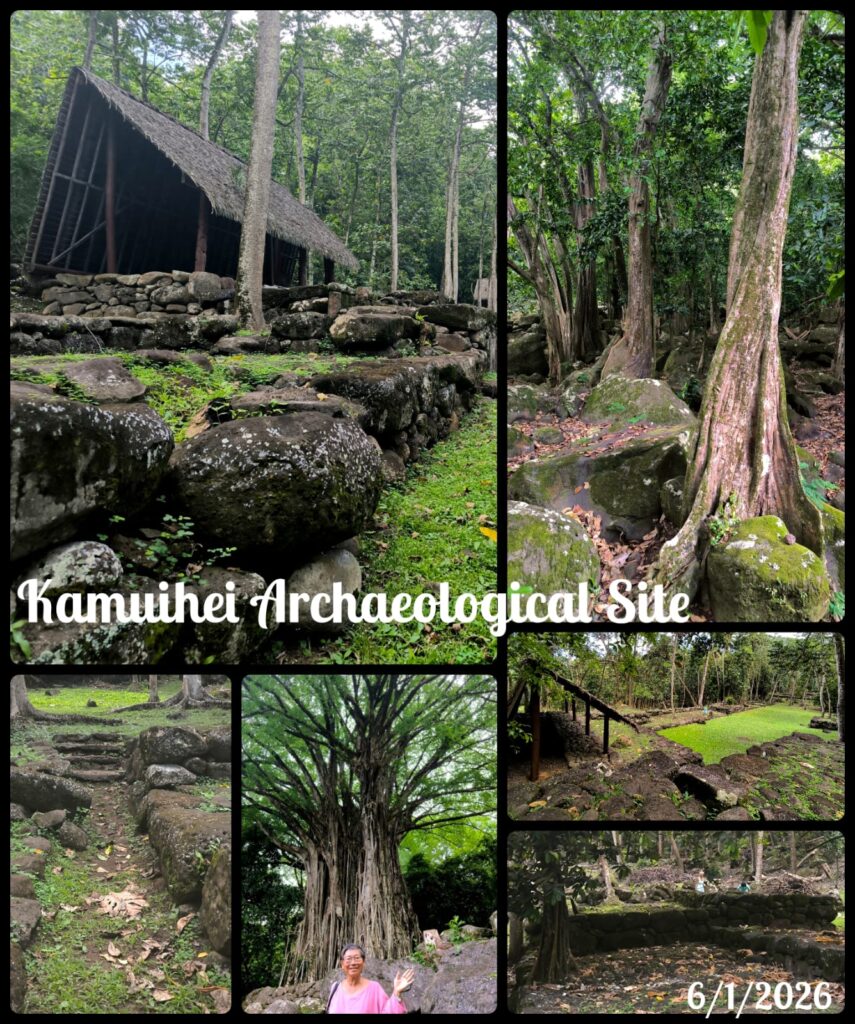
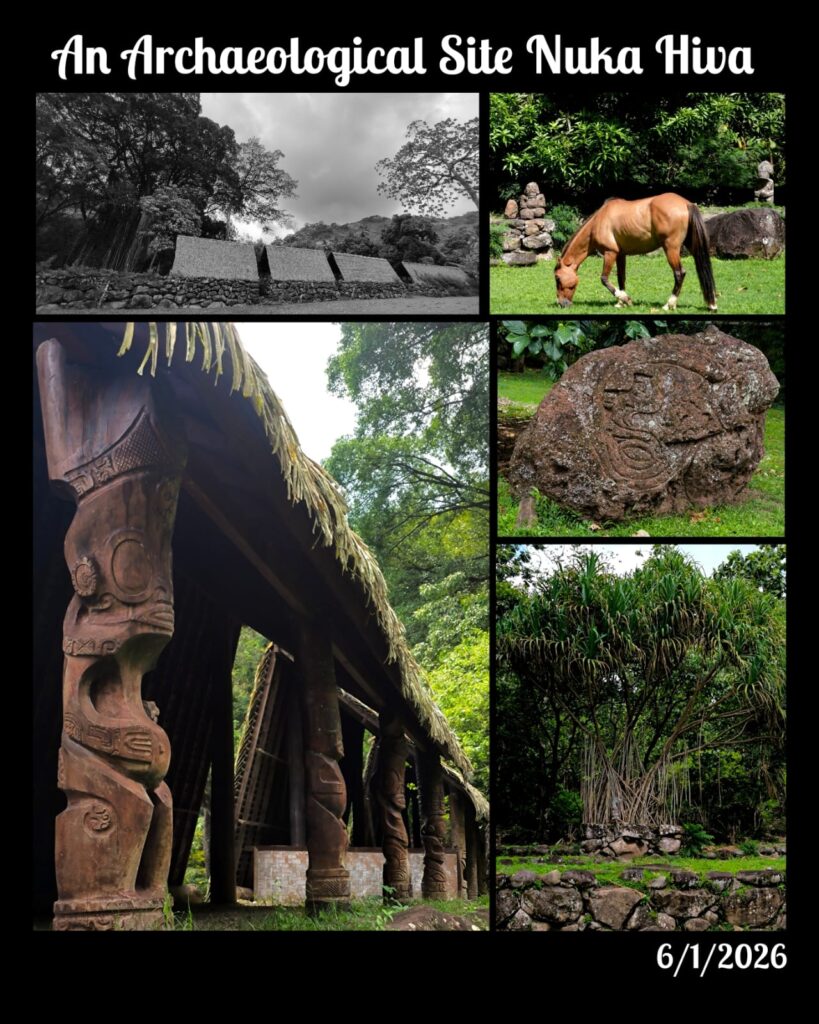
We were not in a hurry and spent over half an hour at the Taipivai Beach this lovely spot. Tarae treated us with home-grown mango and bananas. Then we continued our drive to Hatiheu with a stop looking at waterfalls and spectacular views of the mountain ranges, outcrops of rocks and indented beautiful bays. On our way, we stopped at the most important archaeological site in Nuka Hiva – the Kamuihei site (or kamuijei/Tahakia/Teiipoka complex) in Haitiheu valley. This is a large ceremonial centre with deep historical roots for navigation and social structure known for its immense stone platforms (paepae), tiki statutes, religious sites (meae) and extensive petroglyphs. The sprawling complex with huge banyan trees and large basalt stone platforms with moss are spiritual and most atmospheric. Unfortunately, the driver could not tell us much about the site. We spent time over half an hour wandering around this expansive site soaking in the ambience. I love to revisit this site with an archaeologists.
Tohua Koueve
We finally arrived in Hatiheu, a tranquil ancient village with a population of about 400. Our last stop was Tohua Koueve (also known as Paepae Piki Vehine or Temehea Tohua), a historically important site associated with the warrior chief Pakoko. Situated in the Pakiu Valley, it has a large paved platforms, massive banyan trees and contemporary stone carvings. We ended our trip about 3pm.
Jan 7 Tahuata. Today the swell did not permit the operation of tender. I had booked a full day tour (125 USD) to visit Hiva Oa, where French painter Paul Gauguin and Belgian singer Jacques Brel were buried in the Calvary Cemetery. It is also home to the largest tiki sculptures in French Polynesia. I was disappointed when I watched the ship pulling up the anchor before 7 am heading towards Tahuata. I took a panoramic picture of Hiva Oa from Deck 5 just in time.

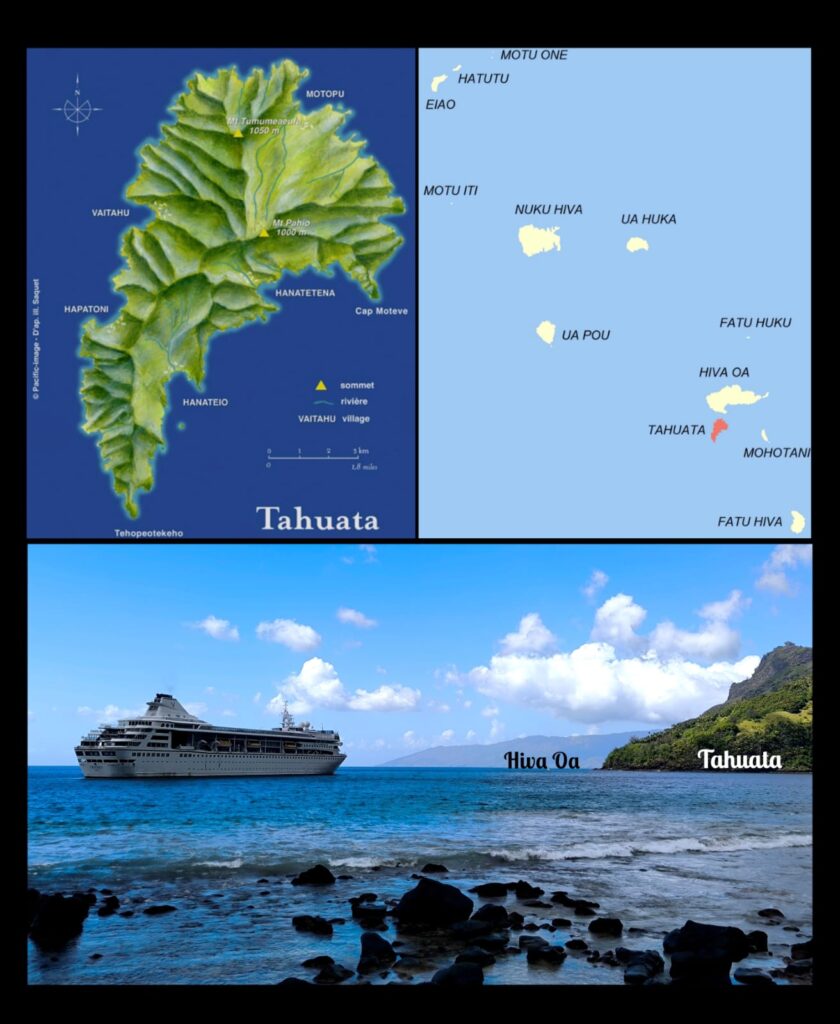
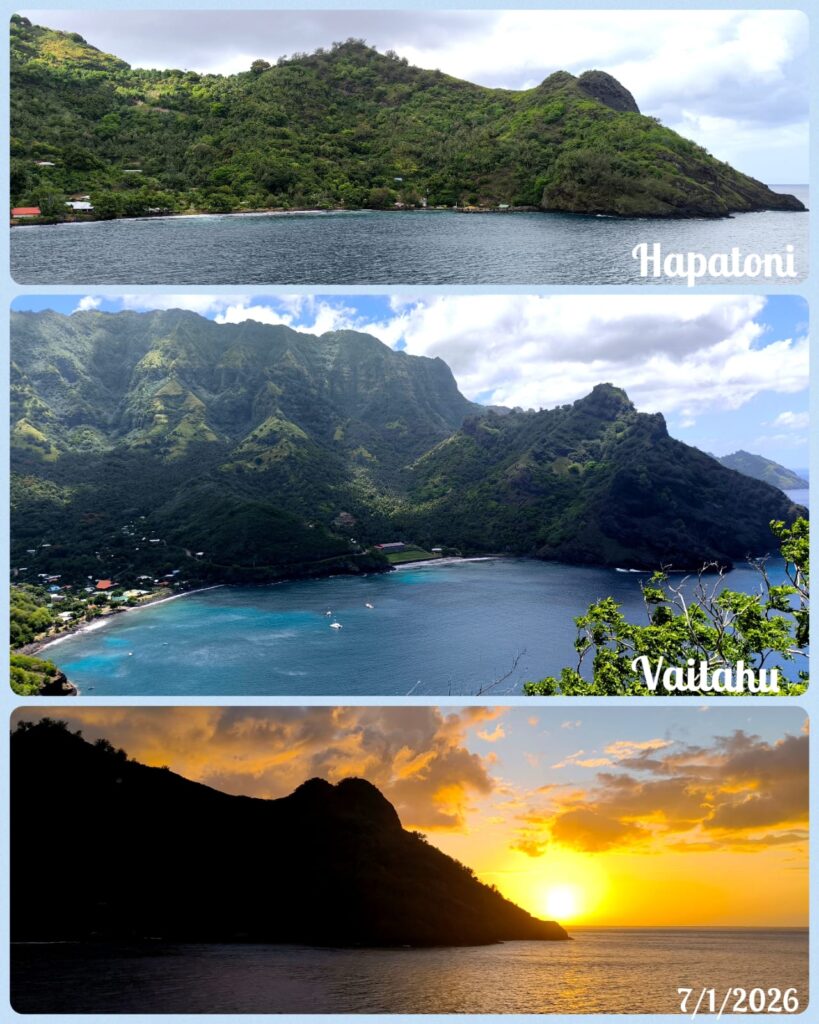
Tahuata is a small island with an area of 61 sq km and a population of about 600 living in four villages. I was on the first tender and found myself in Hapatoni shortly after 9 am. I saw a local lady who looks Chinese, and asked her about a tour of the island. Tarea said she could take 4-5 passengers on her 4WD for 180 USD. Harlee, Katy and Karen were interested. So four of us took up the offer and we drove off before 9:30am for bird-watching and a visit to Vaitahu which is 8 km away. The dirt road is uneven and narrow. Tarae is a good driver and we had a great time. We stopped in a bay next to Vaitahu where Tarae often spots Marquesas kingfisher which is endemic to French Polynesia. It is said that there are fewer than 500 individuals left in the wild. We spent about half an hour in the bay and Katy spotted one flying away. It looked promising and we decided to return before heading back to Hapatoni.
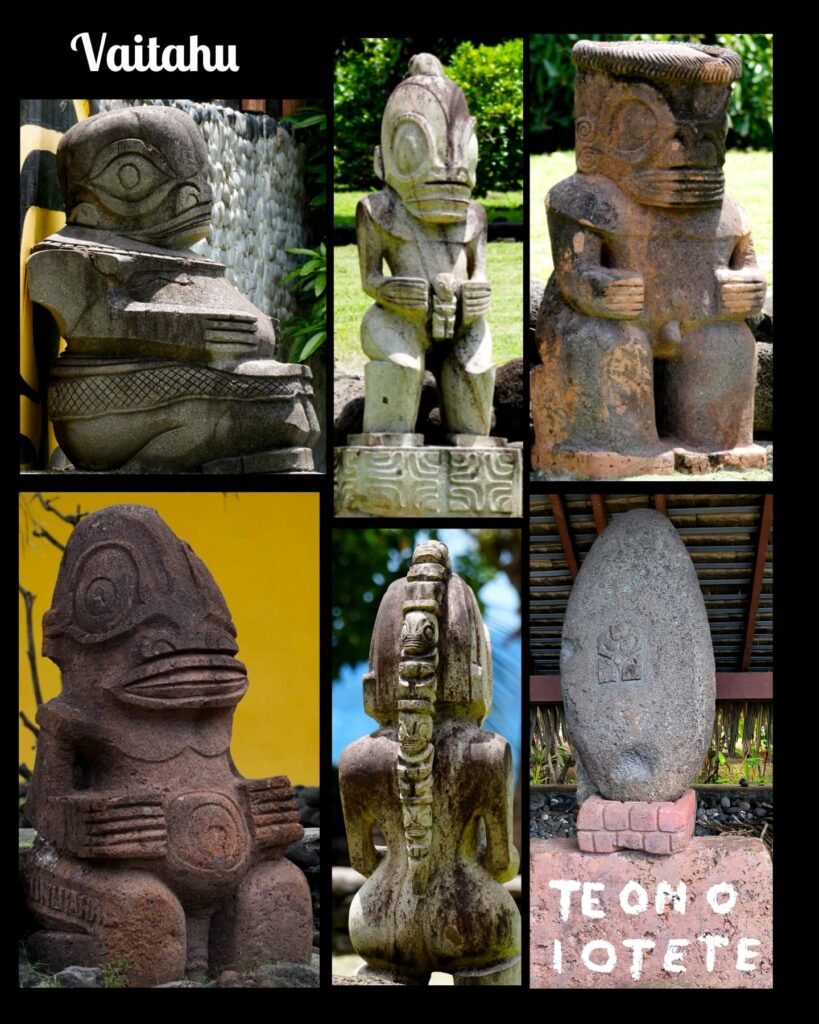
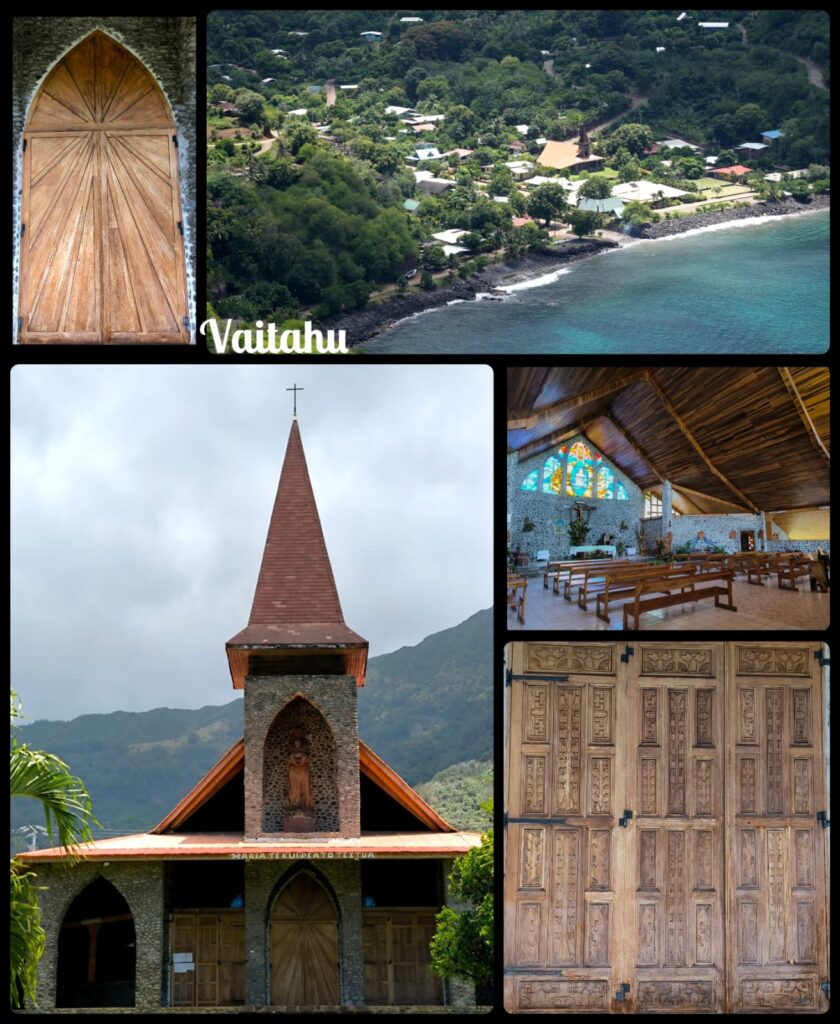
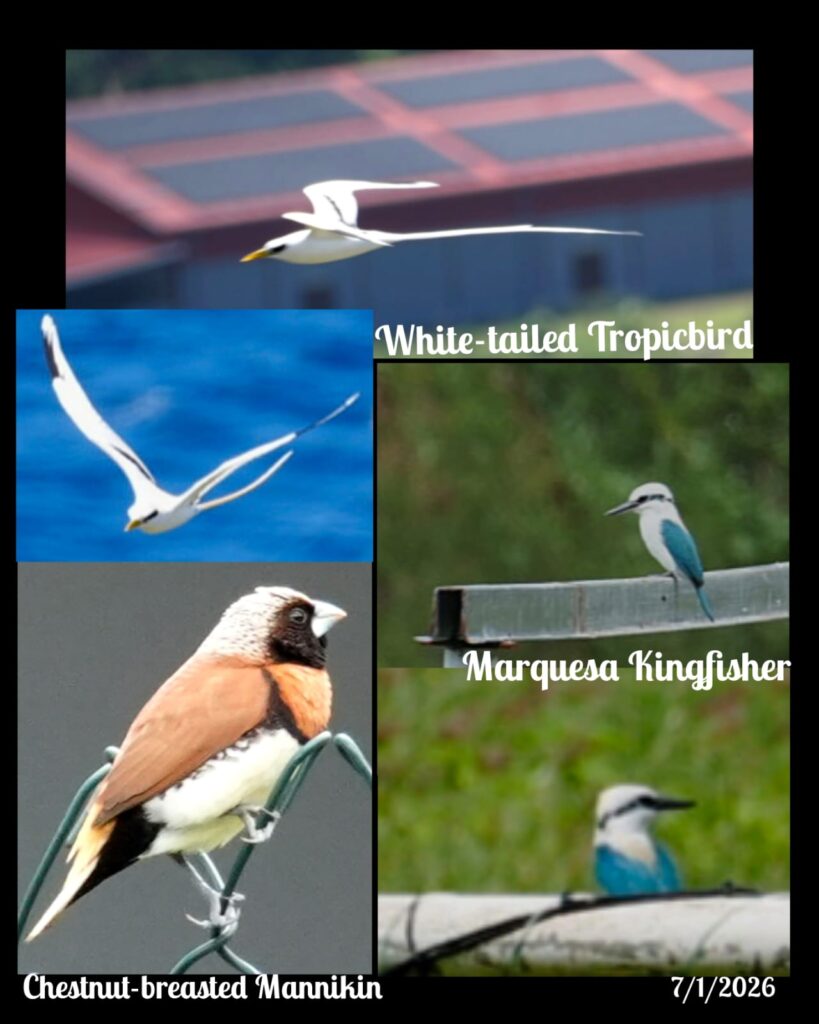
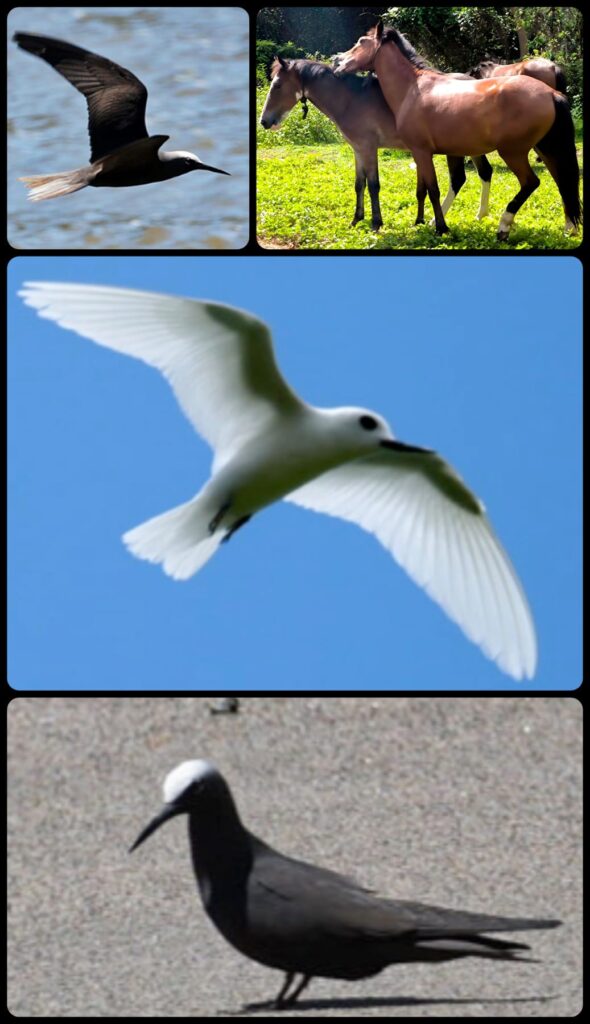
Tarae took us to a lookout overlooking Vaitahu, the largest village on the island. Here we watched birds and saw white-tailed tropic-bird and red-footed booby, white tern etc. We spent over an hour in Vaitahu. I visited the Church of the Holy Mother of God while others were having lunch. I sat by the beach and a local gave me two ripe and delicious mangoes! He told me his retirement life in Vaitahu taking care of the church: he gives summon every Sunday. We stopped at the bay to look for the kingfisher. Katy with her sharp eyes spotted one sitting on the goalpost in the football field. Bingo! We were able to watch this beautiful bird for some ten minutes! Mission completed! We were back in Hapatoni after 2 pm.
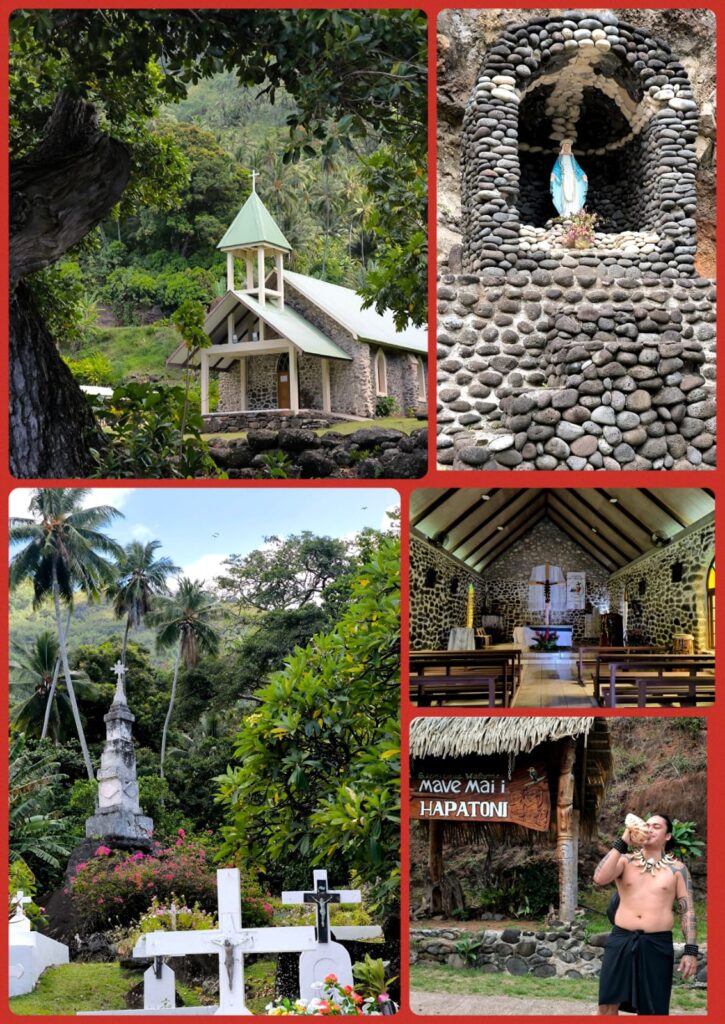
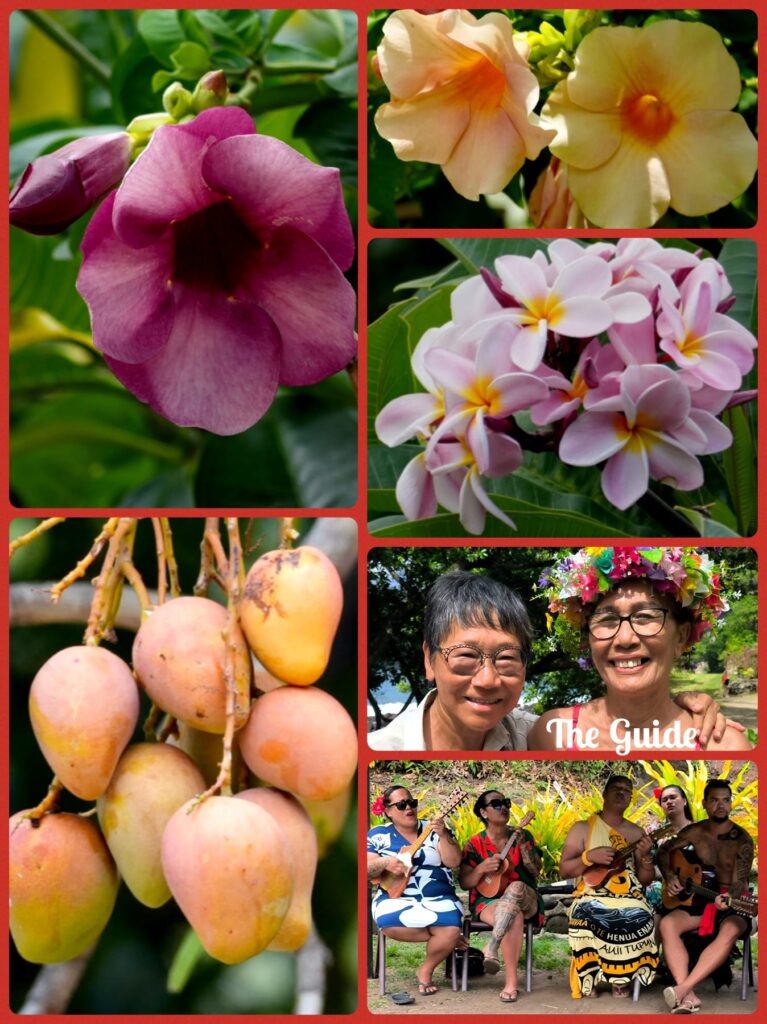
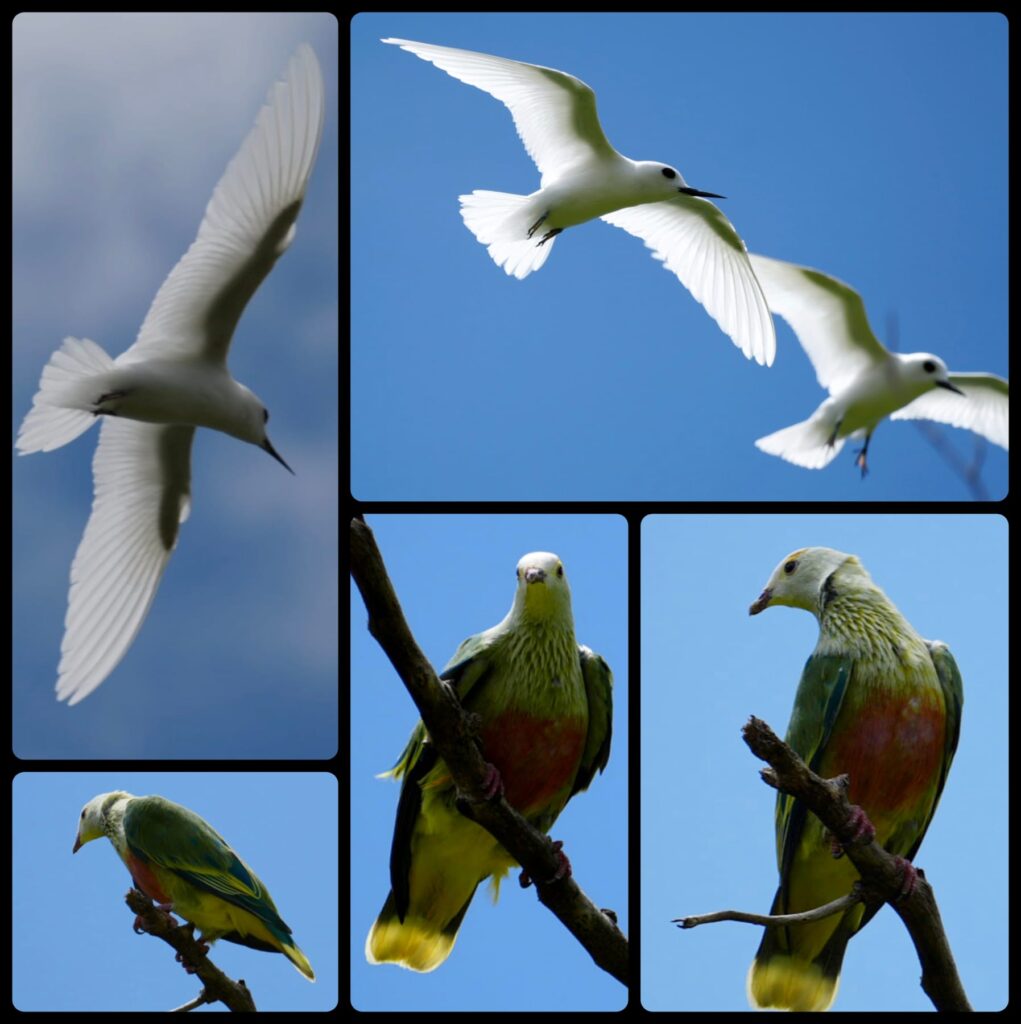
I visited the Church of the Sacred Heart of Mary, a historic stone church known for its elaborate carvings and stained glass. The small cemetery with full view of the bay is a great place for eternal rest. I had a lovely relaxing day! In the evening, I joined the Speaker’s Corner and listening to Janette’s overland journey along the Pan-american highway in 2019-20. She has been running this remarkable 200+ days overland trip since 2004. She is a great traveller, good photographer and wonderful story-teller.
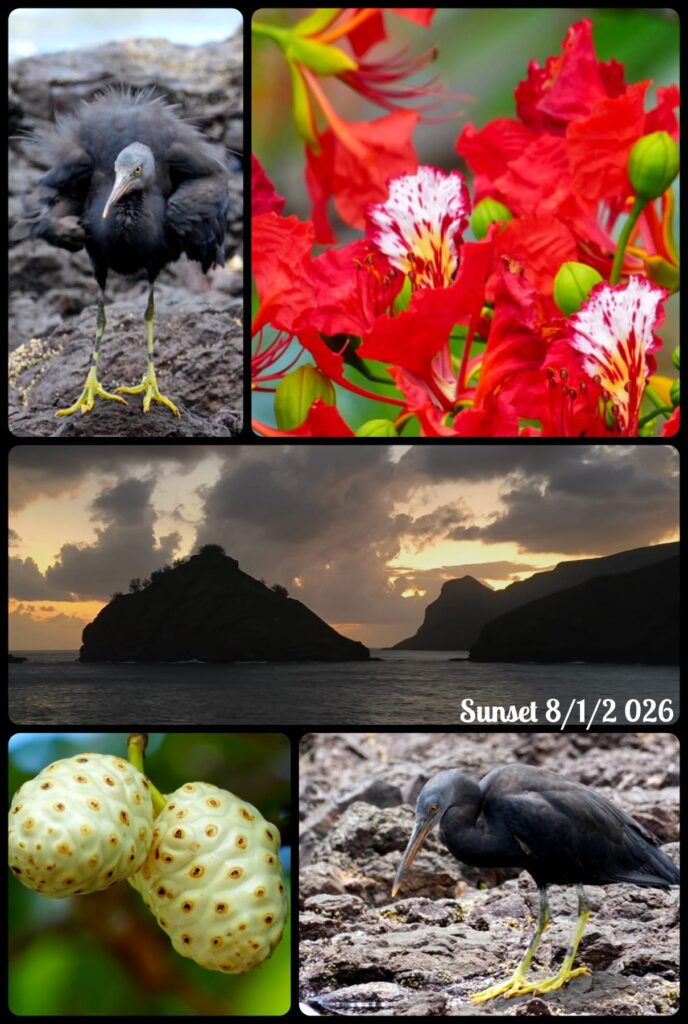
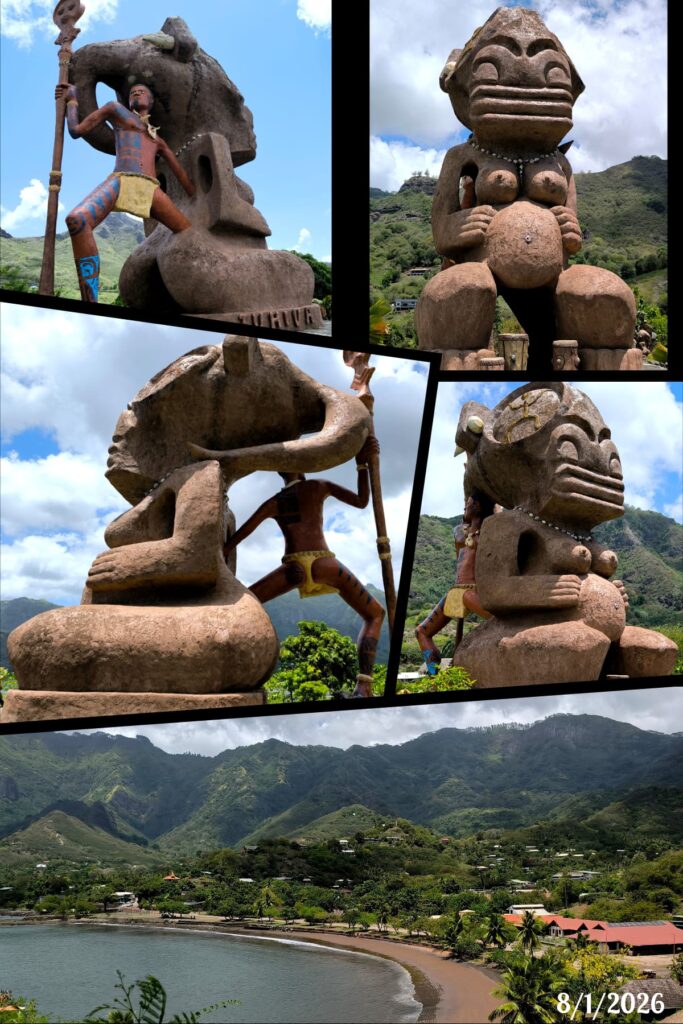
Jan 8 Nuka Hiva. The original plan was to Ua Huka or Fatu Hiva. Mother Nature was not with us: the wind and swell once again prevented tender operation. We had no choice but returned to Nuka Hiva. There are still things I love to visit on the island including a drive to view the canyon, a boat ride to Hakaui, and a short walk to Tiki Tuhiva. At the end, I only took a walk to Tiki Tuhiva and spent time bird-watching. I was back on the boat before 2 pm and spent the most of the afternoon in my cabin which is my refuge!
D42-42 (9 – 10 Jan) Two Day at Sea