
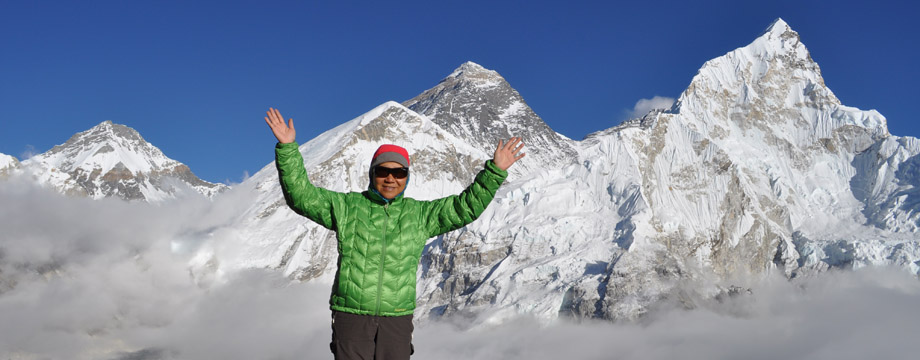
Shuilu Fahui China 10-19 October 2025
The Shuilu Fahui 水陸法會(Water and Land Dharma Assembly) is the most elaborate Buddhist ceremony in Chinese Buddhism. The full name of the ceremony is the Fajie Shengfan Shuilu Pudu Dazhai Shenghui (法界聖凡水陸普度大齋勝會), which translates to “Water and Land Universal Deliverance and Grand Feast Assembly for Saints and Ordinary Sentient Beings in the Dharma Realm”. Performed with the aim of facilitating the nourishment and ultimate liberation of all sentient beings in saṃsāra and lasting from 7 to 49 days, this fahui it is often credited as one of the greatest rituals that require great resources of the monastics and financial funding of lay supporters.
The ceremony is attributed to the Emperor Wu of Liang 梁武帝 (502-549) who was inspired after having a dream in which a monk advised him to organise a ceremony to help all beings living on land an in the seas to be surfeited from their suffering. The rituals itself was composed by leading monastics under the guidance of a Chan Buddhist master Baozhi (5th-6th century). The liturgy received further edits and addendums in later periods during the Song dynasty (960-1279) and Ming dynasty (1368-1644). The ritual combines features of Chinese operatic tradition (including a wide range of instrumental music and vocal performances), the citation of various sutras and repentance rites from both the Mahayana rituals and esoteric Vajrayana practices (including recitation of esoteric mantras of Buddhist divinities and visualization). Hence, the The Shuilu Fahui has been seen as a union of the various traditions in Chinese Buddhism such as Chan, Pure Land, Esoteric, Tiantai and Huayan.
The entire ritual is typically structurally divided into two types of rituals: those conducted at the Inner Altar (內壇) and those conducted at the Outer Altars (外壇). The Inner Altar is traditionally considered the most sacred with limited access, where the core of the entire liberation rite is performed. It comprises 24 smaller alters: ten for the higher beings and and fourteen for the lower beings. Each alter has their own classification ranging from other buddhas, bodhisattvas, sages, and celestial protectors down to the lower beings dwelling in the six realms of rebirth: lesser devas, demigods, humans, animals, hungry ghosts, hell beings and deceased individuals. Each altar has a set of paper plaques decorated with paper flowers and talismans which contain the core essence of the invited spirit and a painting that described who each of the beings are along with a verse taken from the Inner Altar ritual text. Tables are set out for the monastics and sponsors to use, complete with kneelers, the ritual text for reference, a handheld censer, and plates of flowers to use when inviting beings. Offerings of food, beverages and incense, chanting and reciting of secret mantras and various sūtras, transmitting precepts and bowing in repentance on behalf of the higher and lower beings are the core procedures in the Inner Altar.
The Outer Altars consisting of separate halls in the monastery/temple, are open to all participants to help create merit for the work being done in the Inner Altar. Typically this group consists of a total of six or seven altars each focusing on different scriptures and rituals. The Repentance Ritual of the Emperor of Liang 梁皇寶懺 and other rituals such as gongfo zhaitian (供佛齋天) rites where offerings are made to the Triple Gem and deities and tantric Yujia Yanhou (瑜伽燄口) are usually performed in a Grand Hall/Great Altar (大壇). The Lotus Sutra, the Amitabha Sutra, the Medicine Buddha Sutra, Suramgama Sutra, Avatamsaka Sutra and various sutras are recited together with associated devotional practices in the Lotus Altar (法華壇), the Pure Land Altar (淨土壇), the Yaoshi Altar (藥師壇) the Lengyan Altar (楞嚴壇), the Huayan Altar (華嚴壇) and Various Sutras Altar (諸經壇) respectively.
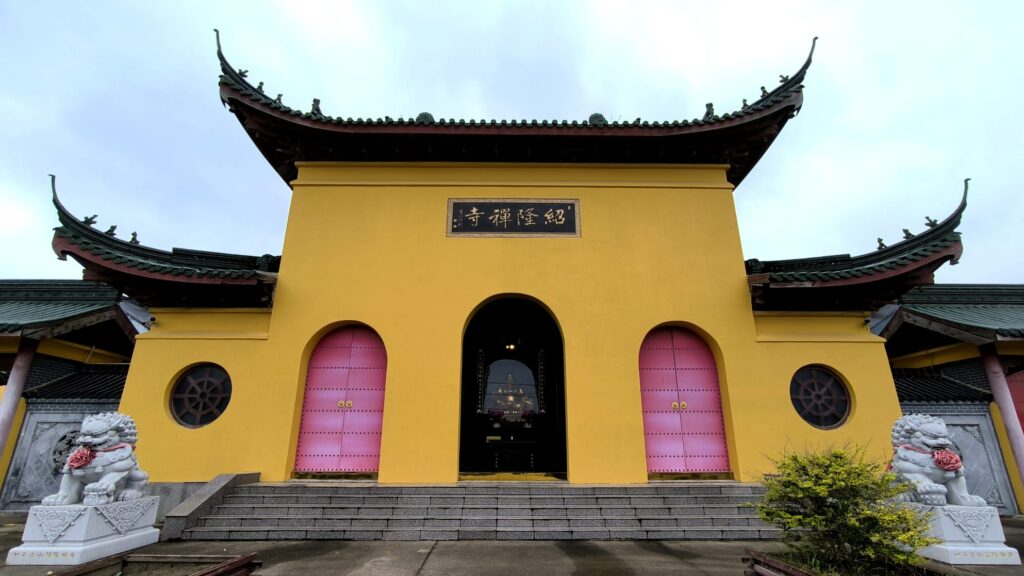
In July 2023, I formally took refuge in the Three Gem (the Buddha, Dharma and Sangha) with Venerable Hin Shuen of the Centre for Spiritual Progress to Great Awakening (SPGA). The centre has been collaborated with the Shaolong Temple 紹隆禪寺in Rugao Jiangsu to organise a Shuilu Fahui from 11 to 18 October. Some 60 Buddhists from the centre joined Ven Hin Shuen and four venerables from SPGA to participate in the ceremony. This was the first time I attended this special ceremony as a sponsor and took part in the procedures in the Inner Altar.
October 10: Hong Kong – Shanghai – Shaolong Temple
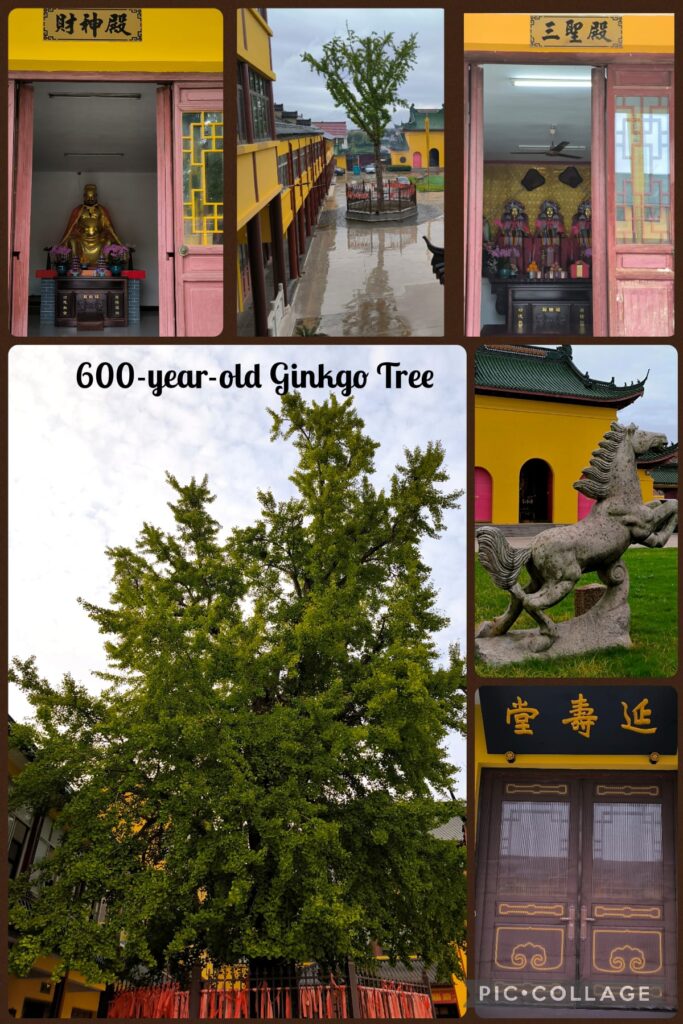
We took an early CX flight and departed Hong Kong after 9:30 am for Shanghai. Then we had a three-hour bus ride to the temple where we stayed for nine nights. Located in a rural area, the place is quiet with comfortable accommodation. Each room has toilet with heated water. I shared a room with Lisa and Susan.
October 11 – 18 Shuilu Fahui
Some 80 monastics performed 22 foshi 佛事 (ritual/ceremony) over the entire period. I as a sponsor was kept busy joining events that took place both in the Inner and Outer Altars. e had breakfast at 7 am, lunch at 11:30am and dinner at 4:30pm. On five evening (from 5:30 to about 11-11:30pm on11-14, and 17 October), we had Yujia Yanhou typically performed to nourish and liberate hungry ghosts, to promote the lifespans of the living and to avert calamities and prevent disasters. Since taking up the HKU Master of Counselling Course in 2022, I have watched several times this tantric ritual that combines features of Chinese operatic tradition (including a wide range of instrumental music as well as vocal performances such as solo deliveries, antiphonal and choral singing), recitation of sutras as well as esoteric Vajrayana practices (including mandala offerings, recitation of esoteric mantras, execution of mudras and visualization practices involving identifying oneself with a divinity).
October 11- We all attended the ceremony to purify the entire monastery space in the afternoon. When it was finished, the outer and Inner Altars were opened. At 5:30pm, we had the first of the five performances of Yujia Yanhou in the Yuan Man Hall 圓滿殿. Today, I still find the rituals, mantras and countless mudras (symbolic hand gestures) fascinating. The music and chanting by 60-80 monks were deafening, powerful and fearsome!
October 12– All participants gathered at the Great Altar to recite the Repentance Ritual of the Emperor of Liang the whole day and watched Yujia Yanhou in the evening.
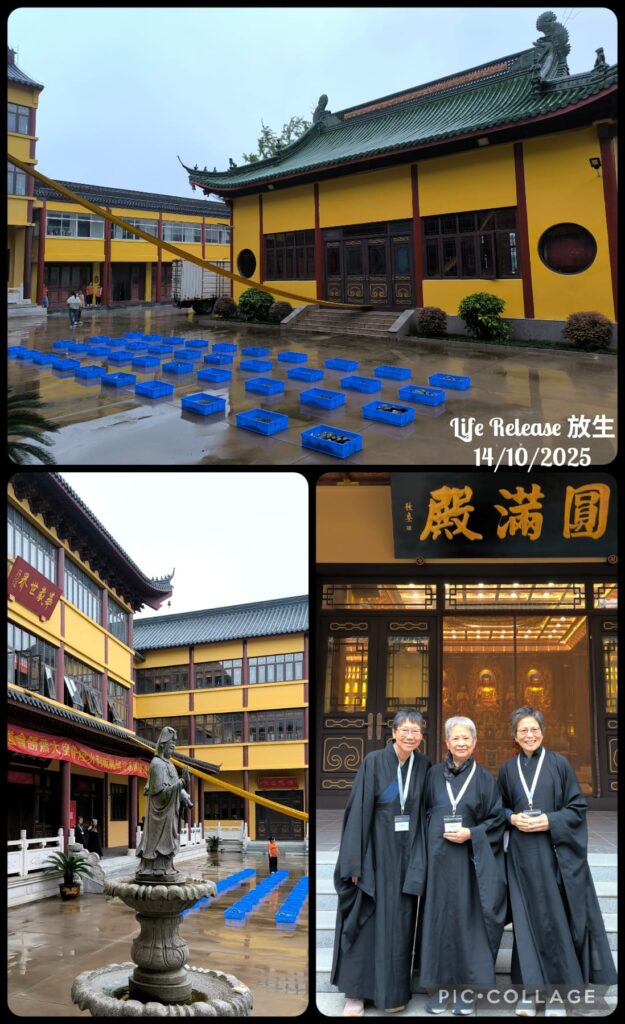
October 13– Today, the ritual at the Inner Altar began with a series of preparatory work, including setting up the altar as well as purifying the ritual space. I entered the Inner Altar for the first time at 8am together with about 20 sponsors. A series of elaborate rituals conducted by three elder monastics, took place here for five days. The monastics set up the boundary and performed ritual purification (啟壇結界) [Through the recitation of secret mantras, a ritual purification and boundary was placed around the Inner Altar to protect it from negative influences, allowing the rite to progress without outside hindrances, and for all beings to be invited without obstruction]
In the afternoon, the invitations were issued and banners were hung up (發符懸幡) [A ritual writ of invitation describing the intent of the main donors that the liberation rite was occurring at the temple was issued by the presiding masters. This was done in the form of a paper horseman who was tasked with issuing the invite. This paper horseman was then burned outside the temple premises] A giant banner (for the higher beings) and lanterns (for the lower beings) were raised on flagpoles, and a paper effigy sentry was erected outside the Inner Altar, and a ceremonial bulletin announcing the liberation rite and who the sponsors were ritually marked by the temple abbot using a calligraphy brush]
In the evening, Yujia Yanhou was performed in the Yuan Man Hall.
October 14– In the morning, we recited text inviting Saintly beings to come (請上堂) [10 tables for these beings] and Fangsheng 放生 (Life/Merit Release) was performed in the afternoon.
October 15– Making offerings to the saintly beings (供上堂) [Offerings of incense, food, flowers, and other delicacies were made].
October 16– We had to be at the Inner Altar by 5am for Issuing petitions for amnesty (告赦) [A petition is issued specifically to Brahma, Sakra, deities from the lower realms and locality gods to grant reprieve to lower beings to allow them to be present for the liberation rite. Another paper horseman is ritually burned and sent off]. After breakfast, we returned to the Inner Altar to recite Ksitigarbha Bodhisattva Purvapranidhana Sutra.
Inviting the mundane beings (請下堂) was issued in the afternoon [As in the previous invitation, a cloth bridge is set up to welcome lower beings into the Inner Altar. Esoteric mantras are recited to bring the beings from the lower and hell realms to be present for the ritual] There were 14 Tables.
Precepts for the netherworldly beings (幽冥戒) were cited in the evening [The presiding masters invoked teachings to the invited lower beings. The registered ancestral or deceased relations of the main sponsors would also ritually receive the precepts by proxy]
October 17– All participants were at the Yuan Man Hall to make offerings. In the afternoon we made offerings to the mundane beings (供下堂) in the Inner Altar.
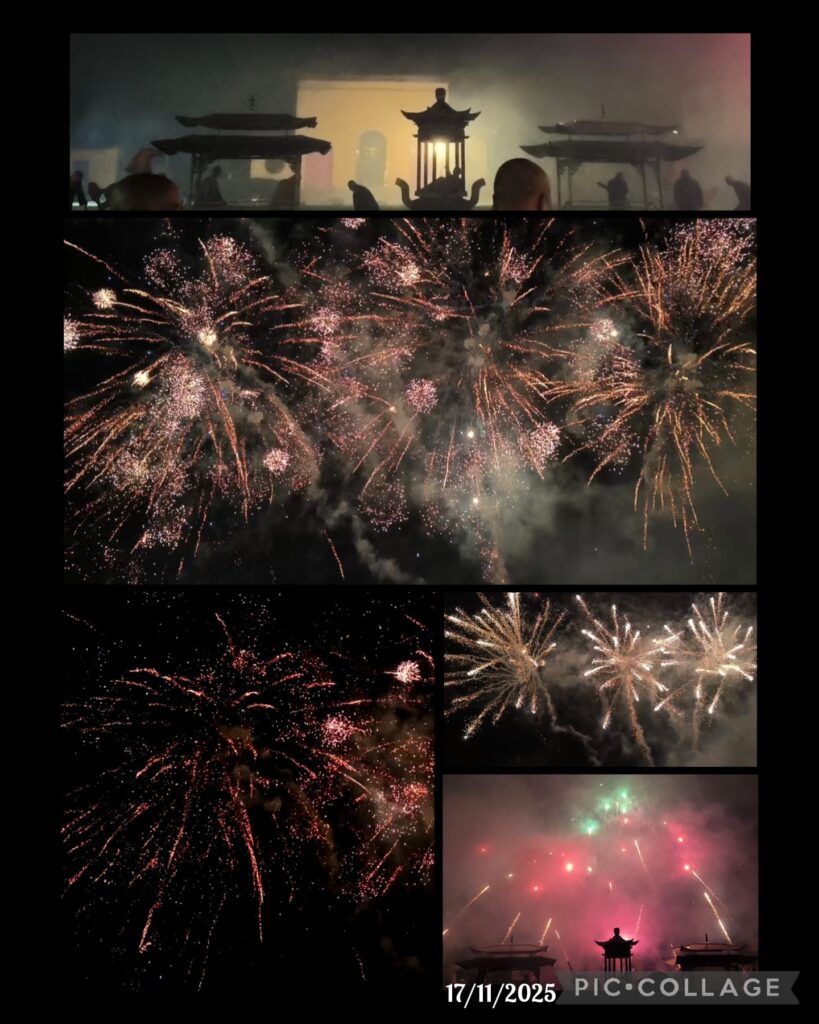
We had the last Yujia Yanhou performed in the Yuan Man Hall. The abbot of the monastery kindly arranged fireworks. It was miracle that rain came after the fireworks. We went to bed after midnight!
October 18– Final offering of completion (圓滿香) [A final offering of incense, food, drink, and flowers are made to all invited beings]
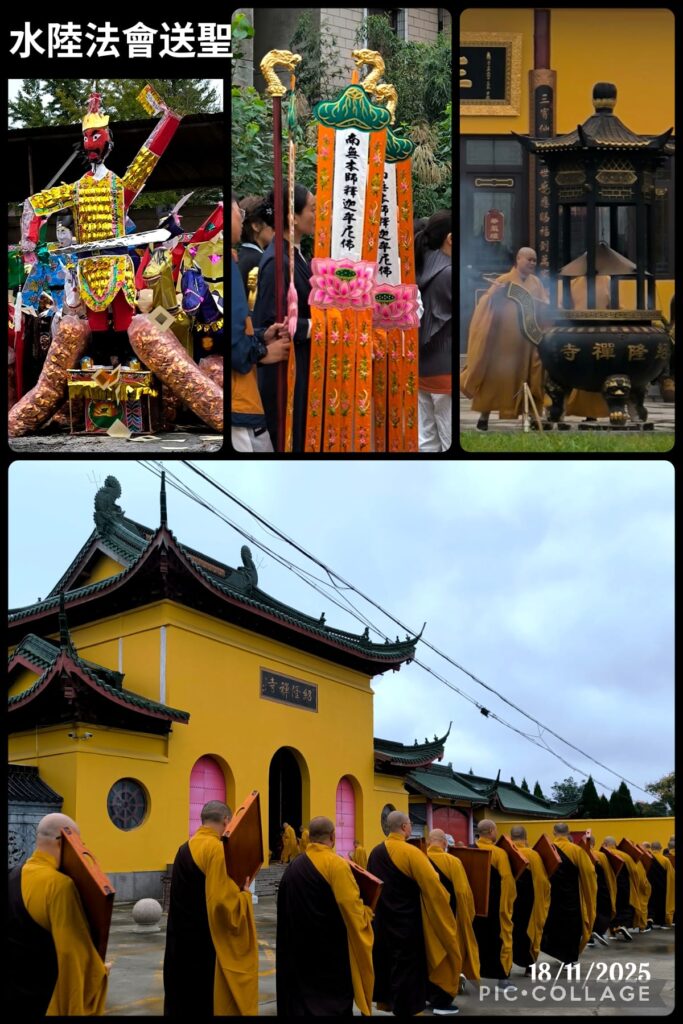
In the afternoon, we had the last and most fascinating procedure – Seeing off the Guests (送聖) [Each of their effigies in the Inner Altar (in the form of paper plaques) are paraded on the temple grounds and collectively placed onto a paper boat and burned, symbolizing their ascent to the Pure Land. The burning of the boat serves as an aid to visualizing the beings ascent and also serves to mark the conclusion of the liberation rite. The procession was accompanied by an orchestral band].
It was a grey day with occasionally raindrops. As I had problem walking fast, I did not join the official procession led by the monastics to see off the guests. The temple was deserted when the party left. I decided to walk around to take photos. By the time I stepped out of the temple, I saw the party returning! I watched from a distance the burning of the paper horsemen, effigies, a boat etc. Towards the end, I suddenly saw very dark and thick smoke/cloud rising but quickly disappearing into the sky above. I noticed a few raindrops falling thereafter. Were these auspicious signs?
The ceremony came to an end. We lined up to give red packets to all monastics that had taken part in the ceremony. We took pictures with the abbot of Shaolong Temple and the venerable from Hong Kong. The abbot said this ritual would be performed again next year. I am sure many of us would return. In the evening, we tidied up and cleaned our room. I packed my bag and had an early night.
October 19 Shanghai -Hong Kong
After breakfast, we set off for Shanghai Pudong Airport at 8 am. We had a smooth ride and I checked in at noon. I was able to have lunch with a friend from Shanghai at the airport. The plane took off at 2:30pm and I landed in HK after 5pm.
Remarks (to add)